
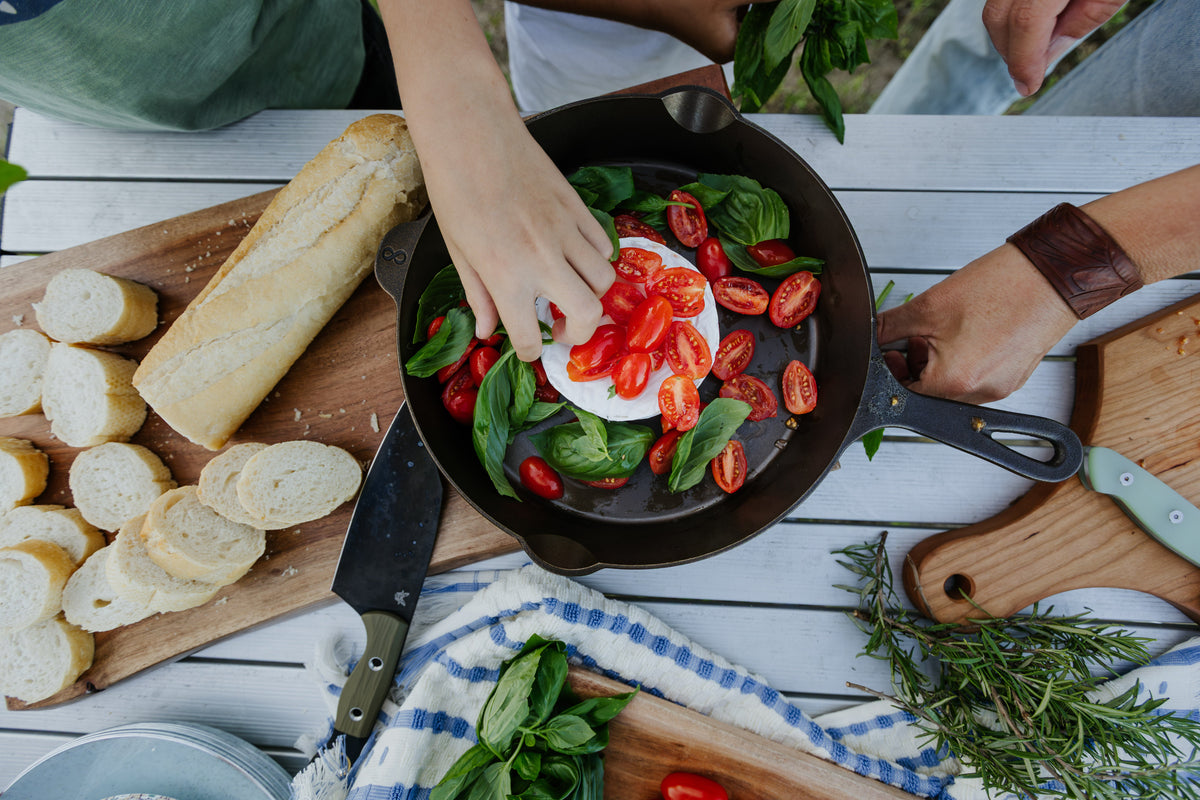
For a long time, heavy cast iron was seen as a badge of honor. The heavier the pan, the better it must be. Many of us grew up lifting a skillet that felt like it could double as gym equipment, believing that was simply the price of cooking with cast iron.
But does a heavier skillet actually cook better?
Not necessarily.
Today, there's a growing appreciation for cookware that delivers everything people love about cast iron without making cooking feel like a workout. That's exactly what inspired Lancaster Cast Iron.
Why Traditional Cast Iron Is So Heavy
Most cast iron cookware starts the same way. Molten iron is poured into sand molds and allowed to cool into its familiar shape. From there, many manufacturers leave the cookware relatively thick. Thick walls make casting easier and help reduce defects during manufacturing, but they also create a much heavier pan.
For years, consumers simply accepted that weight was part of the experience.
The downside is that a heavy skillet isn't always enjoyable to cook with. Pouring pan sauces, moving a skillet from stovetop to oven, carrying it to the table, or simply washing it afterward can become more difficult than it needs to be.
When a pan feels cumbersome, people often reach for something else.
Lighter Doesn't Mean Less Durable
One of the biggest misconceptions about lightweight cast iron is that it's somehow weaker.
In reality, weight alone isn't what determines quality.
The design of the pan, the quality of the iron, and the precision of the manufacturing process all play a much larger role. A thoughtfully engineered skillet can maintain exceptional strength while eliminating unnecessary bulk.
The result is cookware that's easier to handle every single day without sacrificing the durability cast iron is known for.
Crafted in Pennsylvania with Precision
Every Lancaster Cast Iron skillet is made in Lancaster County, Pennsylvania.
Instead of treating cast iron like a mass-produced commodity, every pan goes through a carefully controlled manufacturing process. Each casting is individually machined, creating thinner walls and a remarkably smooth cooking surface before it is seasoned and finished by hand.
This level of precision isn't the easiest way to make cast iron, but it allows us to produce cookware that's significantly lighter while maintaining the strength and performance people expect from American-made cast iron.
It's a process rooted in craftsmanship, not shortcuts.
The Benefits of Lightweight Cast Iron
The difference becomes obvious the first time you cook with it.
A lighter skillet is easier to lift with one hand when you're sautéing vegetables or transferring food to a serving platter. It feels more balanced when moving between the stovetop and the oven. Washing up after dinner becomes simpler, and everyday cooking feels less intimidating.
Because the skillet responds more quickly to changes in heat, it's also easier to manage delicate recipes that benefit from precise temperature control.
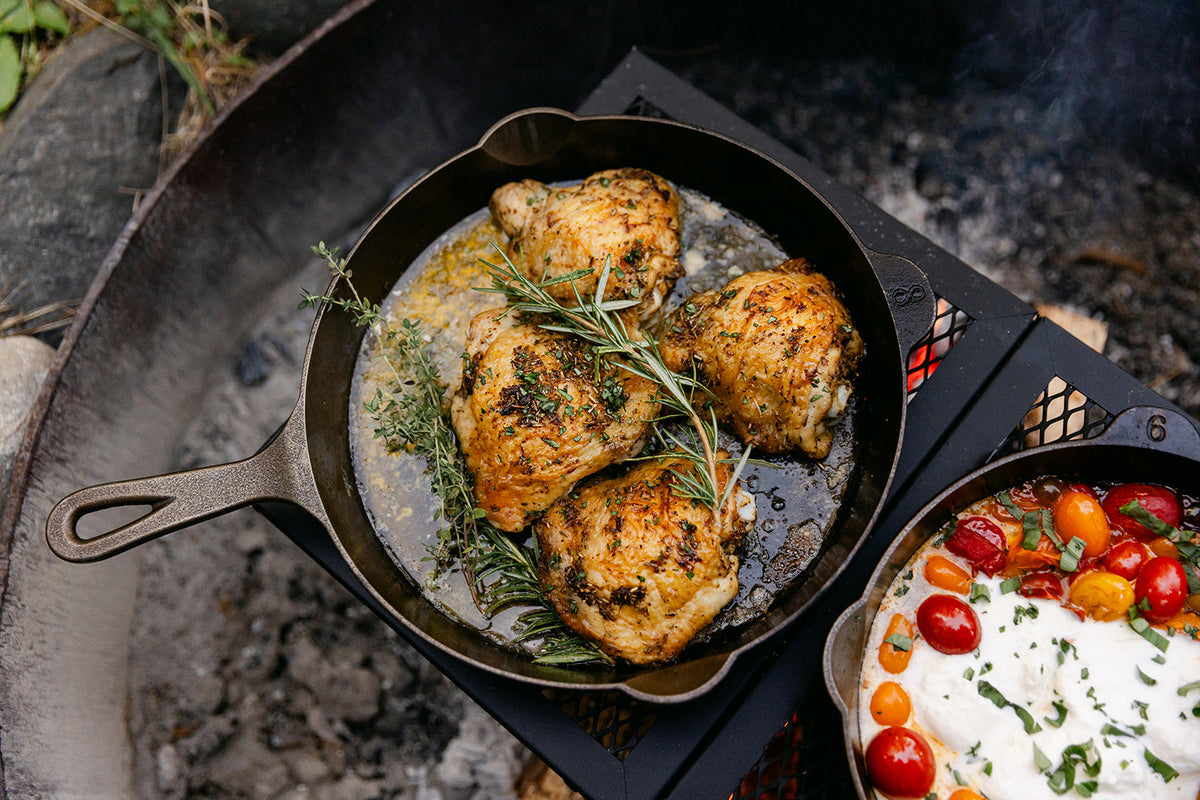
And despite being lighter, it still delivers the heat retention, beautiful searing, and natural seasoning that have made cast iron a favorite for generations.
The Lightest Cast Iron We Make Is Also the One You'll Reach for Most
Our goal has always been to make the skillet you actually want to cook with.
By carefully refining our manufacturing process in Pennsylvania, we've created what we believe is the lightest cast iron cookware available without compromising performance. The result is a pan that feels balanced, cooks beautifully, and is comfortable enough to use every day.
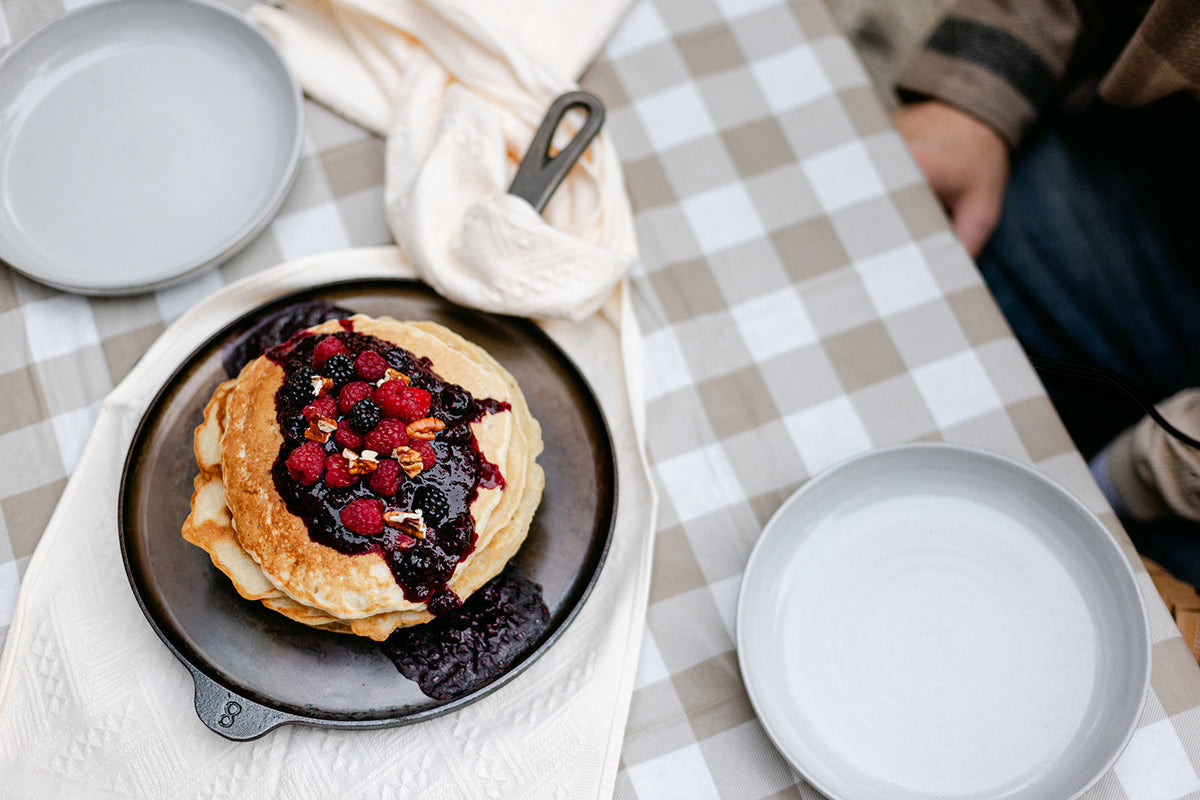
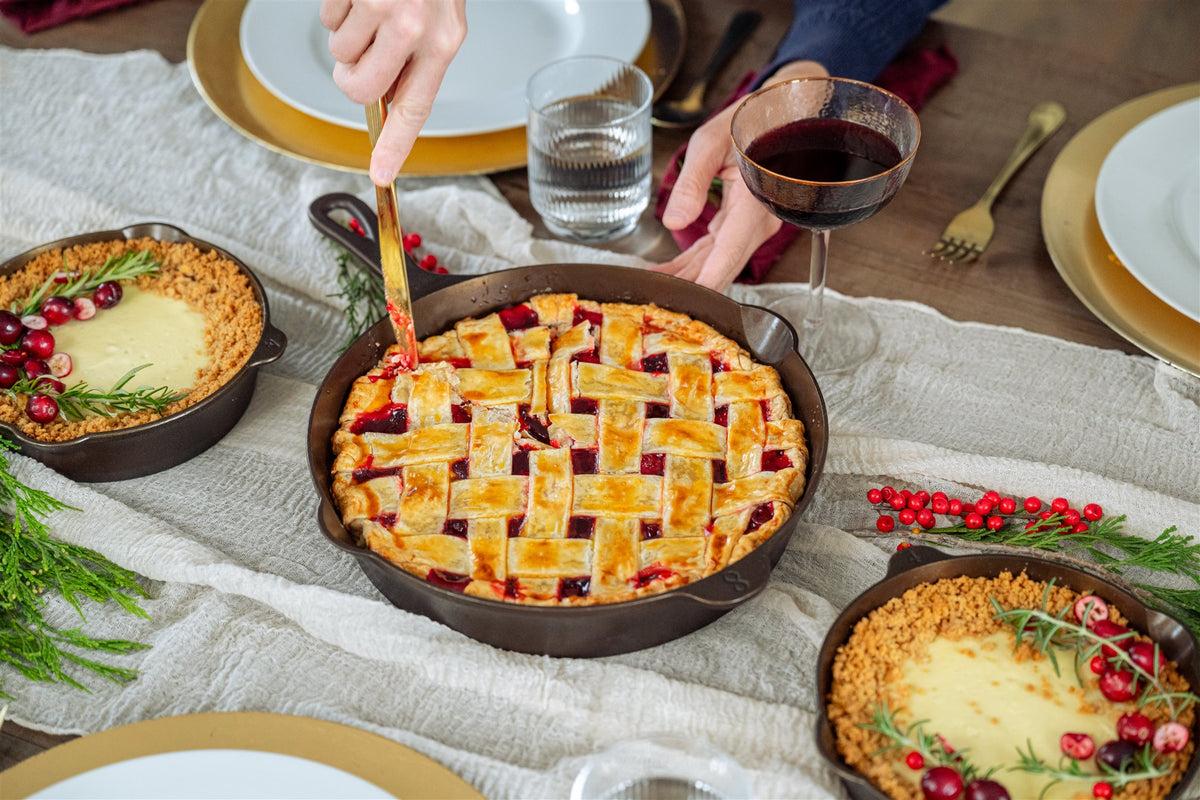
Whether you're flipping pancakes on a Sunday morning, searing steaks for dinner, or baking a rustic fruit crisp, the skillet should help you enjoy the experience instead of getting in the way.
Built for Real Cooking
Cast iron has earned its reputation because it lasts. A well-made skillet can become part of family traditions and be passed from one generation to the next, only getting better with time.
We simply believe that while it's serving your family for decades, it should also be enjoyable to use every single day.
That's why every Lancaster Cast Iron skillet is thoughtfully made in Pennsylvania, carefully finished by hand, naturally seasoned, and designed to be lighter without sacrificing the performance that makes cast iron so special.
When cooking feels easier, you're more likely to cook. And that's exactly what great cookware should do.
Share:
Why Do Eggs Stick to Cast Iron? Three Simple Fixes That Make All the Difference
Cast Iron Seasoning Troubleshooting: What You’re Seeing, What’s Happening, and How to Fix It